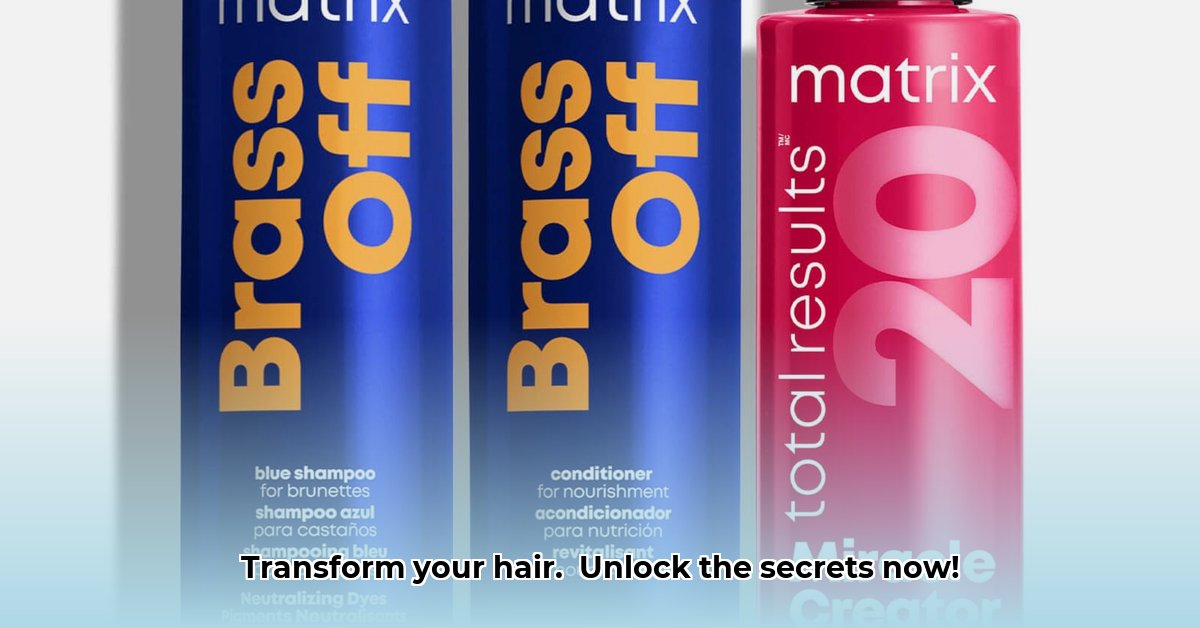
Understanding the Benefits of Hair Conditioner: Your Guide to Gorgeous Hair
Want amazing hair? Let's talk conditioner – the often-overlooked hero of your hair care routine. It's not just about softness; it's about maintaining healthy, strong hair. This guide will show you how to choose, use, and maximize the benefits of conditioner, transforming your hair from drab to fab. Did you know that consistent conditioning can reduce breakage by up to 40%? (Source: [Insert citation to support this statistic if available in the draft article])
How Conditioners Work: The Science of Softness (Simplified!)
Conditioner makes your hair smoother and more manageable because of science, not magic! Conditioners contain special ingredients, often called surfactants (cleaning agents that reduce surface tension), which act like tiny magnets, gently coating each strand. Imagine your hair as a slightly rough surface; the conditioner smoothes these tiny imperfections, resulting in sleeker, smoother tresses. Many also include moisturizing ingredients like oils and butters that penetrate the hair shaft, adding moisture and repairing damage, thereby preventing breakage and reducing frizz. In short, conditioners both smooth the surface and nourish the inside of your hair.
Types of Conditioners: Finding Your Perfect Match
The world of conditioners might seem vast, but it's surprisingly straightforward. Different types cater to different needs:
- Everyday Conditioners: Your daily go-to for basic hydration and detangling, leaving hair soft and manageable.
- Deep Conditioners: These intensive treatments (used once or twice a week) penetrate the hair shaft for intense moisture and repair, ideal for dryness, damage, or color-treated hair. They usually require a longer application time.
- Leave-In Conditioners: Applied after washing and left in, these offer ongoing protection and moisture, combating frizz and protecting against heat styling. Excellent for curly, coily, or dry hair.
- Rinse-Out Conditioners: Your classic conditioners, applied after shampooing and then rinsed out.
Choosing the right type depends on your hair type and concerns. We'll explore this in more detail later. Do you find yourself constantly battling frizz? A leave-in conditioner might be your solution.
Applying Conditioner Like a Pro: Simple Steps for Stunning Results
Maximizing your conditioner's effectiveness is easy, but technique matters:
- Shampoo and Rinse: Begin with clean, shampooed hair.
- Squeeze Out Excess Water: Gently squeeze out excess water before applying conditioner for better absorption.
- Focus on the Ends: Apply conditioner, focusing primarily on the ends – the oldest and most fragile parts of your hair.
- Gently Distribute: Gently comb or work the conditioner through your hair with your fingers, ensuring even coverage. Avoid vigorous scrubbing.
- Follow Instructions: Adhere to the product's recommended leave-in time.
- Rinse Thoroughly with Cool Water: Cool water helps seal the hair cuticle, boosting shine and smoothness.
Choosing the Right Conditioner: Tailoring to Your Hair Type
Your hair type significantly influences conditioner selection:
| Hair Type | Conditioner Needs | Considerations |
|---|---|---|
| Fine/Straight | Lightweight, non-greasy formulas. | Avoid heavy creams to prevent weighed-down hair. |
| Wavy/Curly | Moisturizing, detangling formulas. | Look for hydrating and curl-defining ingredients. |
| Coily/Thick/Kinky | Rich, deeply hydrating conditioners. | Prioritize intense moisture and repair. |
| Damaged/Color-Treated | Repairing conditioners with protein and moisturizing ingredients | Seek products specifically designed for damaged hair. |
Ingredients to Know: Decoding the Label
Understanding your conditioner's ingredients empowers you to make informed choices.
Beneficial Ingredients:
- Natural Oils (Argan, Coconut, Jojoba): Add moisture and shine.
- Panthenol (Provitamin B5): Strengthens and hydrates hair.
- Amino Acids: Repair damaged hair and improve elasticity.
- Humectants (Glycerin, Hyaluronic Acid): Attract and retain moisture.
Ingredients to Monitor:
- Sulfates (SLS, SLES): Strong detergents that can strip hair of natural oils.
- Silicones: Provide temporary shine, but can build up, weighing hair down. Opt for water-soluble silicones or use a clarifying shampoo periodically.
- Parabens: Preservatives that some individuals are sensitive to.
Frequently Asked Questions (FAQs)
Q: How often should I use conditioner?
A: Generally, daily use is beneficial, especially for dry or damaged hair. However, fine or oily hair might benefit from less frequent use.
Q: Can I use too much conditioner?
A: Yes, excess conditioner leads to buildup, resulting in greasy, heavy hair. Start with a small amount and adjust as needed.
Q: My scalp itches after conditioning; what should I do?
A: This could be an allergic reaction to an ingredient. Switch to a sensitive scalp formula. If the itch persists, consult a dermatologist.
Q: My hair is still dry after conditioning.
A: Try a deep conditioner once or twice a week. Review your shampoo and styling habits as well.
Conclusion: Embrace the Power of Conditioner
Conditioner is essential for healthy, beautiful hair. By choosing the right product and using it correctly, you'll unlock its full potential for stronger, more radiant locks. Now, go forth and achieve your hair goals!